
How Rail Freight Capacity Shifts Impact Bulk Industrial Supply Chains
Robust performance across major rail equipment suppliers signals a broader shift in global transport infrastructure. As railway operators invest heavily in modernizing fleets and digital rail networks, understanding shifts in rail freight capacity becomes essential for international procurement and logistics teams. Strong demand across freight and transit divisions reflects an industry-wide push to upgrade legacy rolling stock, increase line efficiency, and handle expanding bulk cargo volumes.
For buyers moving bulk commodities, heavy machinery, or raw materials across land borders, equipment availability directly impacts transit reliability. When rail operators expand fleet investments, inland freight corridors usually experience improved turnaround times over time, though manufacturing backlogs for new equipment can temporarily tighten hardware availability in the short term.
The Growing Demand for Rail Equipment and Infrastructure
The rail sector is seeing sustained capital expenditure directed at both heavy freight locomotives and passenger transit systems. Railway operators are prioritizing efficiency gains, fuel economy, and higher axle-load capabilities to manage rising overland volumes. This capital deployment reflects a long-term commitment to rail as a core artery for domestic and cross-border trade.
Fleet Overhauls and Technology Integration
Operators are balancing two distinct investment streams: line-haul fleet expansion and digital fleet management systems. On the hardware side, remanufacturing programs and new locomotive deliveries allow railroads to move heavier train configurations with lower fuel consumption. On the software side, advanced signaling and predictive maintenance tools minimize unplanned line stoppages.
For procurement professionals sourcing components within the rail and heavy equipment manufacturing supply chains, these trends create both opportunity and pressure. Higher production rates at tier-one OEMs increase demand for specialized steel castings, electronic controllers, and precision-machined mechanical assemblies, extending lead times for smaller regional buyers seeking similar industrial components.
What Overland Capacity Trends Mean for International Trade
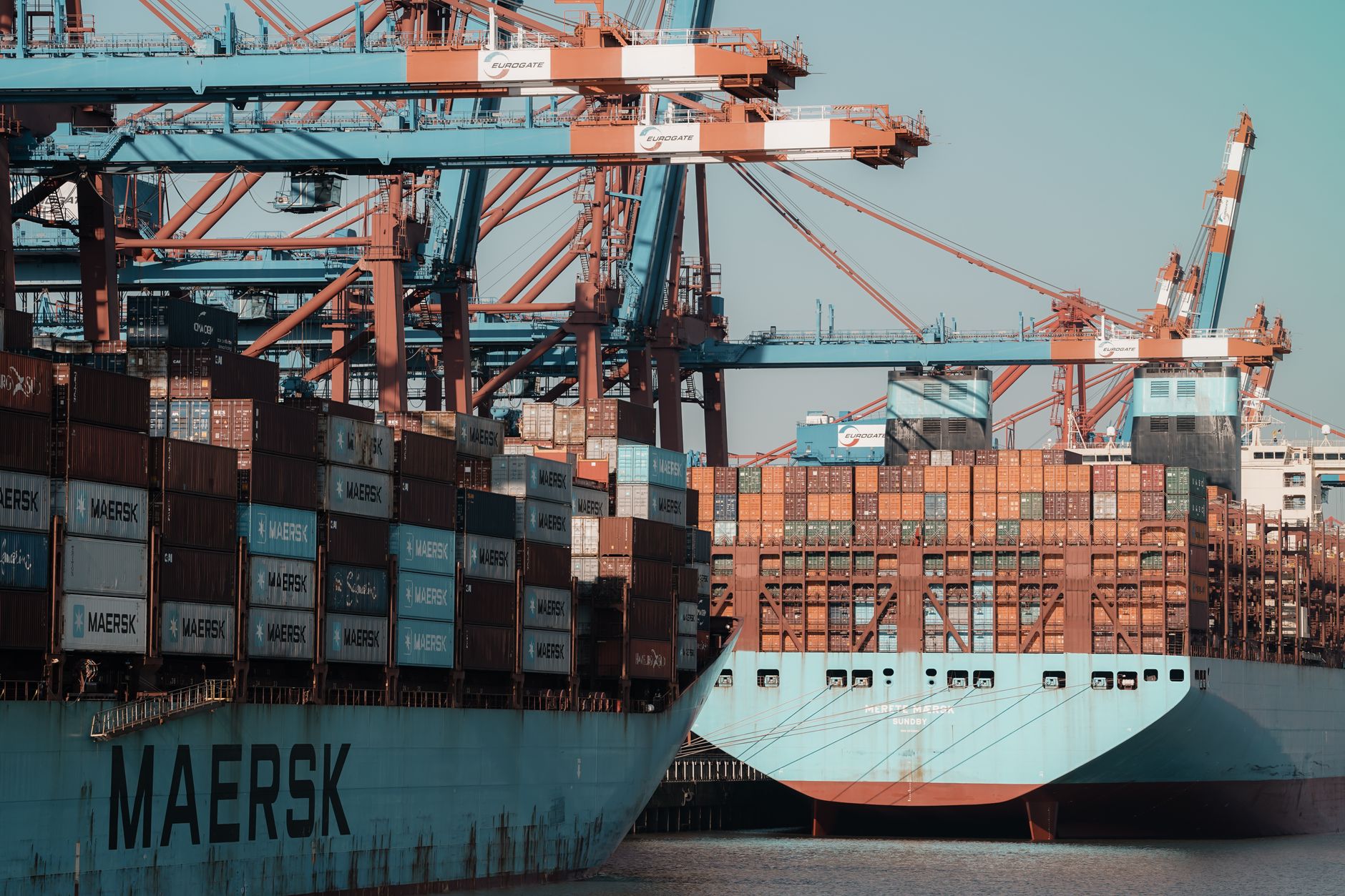
Maritime shipping and overland rail networks operate as an interconnected web. When ocean carriers drop containers at major container ports, overland rail capacity determines how quickly goods move to inland distribution centers. Importers who actively monitor intermodal bottleneck points can better align their vessel bookings with rail ramp availability.
When ocean freight flows experience volatility, such as during periods covered in our analysis on managing rising Trans-Pacific freight rates and spot market surges, inland rail networks often feel the secondary impact. Surcharges, dwell time spikes, and chassis shortages at rail ramps frequently follow surges at ocean terminals.
Balancing Inland Transit Reliability and Landed Costs
Long-distance rail remains one of the most cost-effective overland transport methods for high-density cargo, but pricing and transit predictability fluctuate based on network congestion. Procurement managers evaluating total landed cost must account for potential dwell times at major junction yards.
Using tools like a freight calculator helps sourcing teams model end-to-end transport expenses, ensuring that rail freight savings are not eroded by unexpected demurrage or storage fees at inland intermodal hubs.
Sourcing Strategies for Heavy Machinery and Industrial Goods
As transport equipment manufacturers scale up production to meet rail operator demand, buyers in adjacent industrial sectors—such as mining, construction, and agriculture—face competition for manufacturing capacity. Securing reliably sourced components requires clear visibility into supplier capabilities and strict verification processes.
Vetting Suppliers in High-Demand Manufacturing Categories
Industrial buyers sourcing machinery parts or structural components cross-border must establish rigorous vetting procedures. Verifying business registration details, production capacity, and quality management certifications ensures that suppliers can meet strict delivery schedules despite broader supply chain tightness.
Direct communication with manufacturers regarding raw material availability and component lead times is critical. When suppliers maintain transparent inventory tracking and offer clear production schedules, buyers can buffer their lead times accurately and avoid project delays downstream.
Strengthening Your Supply Chain Execution
Navigating changing transportation dynamics and component lead times requires proactive sourcing and reliable partner verification. Whether you are importing bulk industrial goods or sourcing specialized mechanical parts, having access to verified suppliers and transparent quotes simplifies trade execution across global markets.
To find verified manufacturers, compare competitive RFQs, and streamline your cross-border trade operations, Create a free Postmaze account today.