
Managing Rising Trans-Pacific Freight Rates and Spot Market Surges
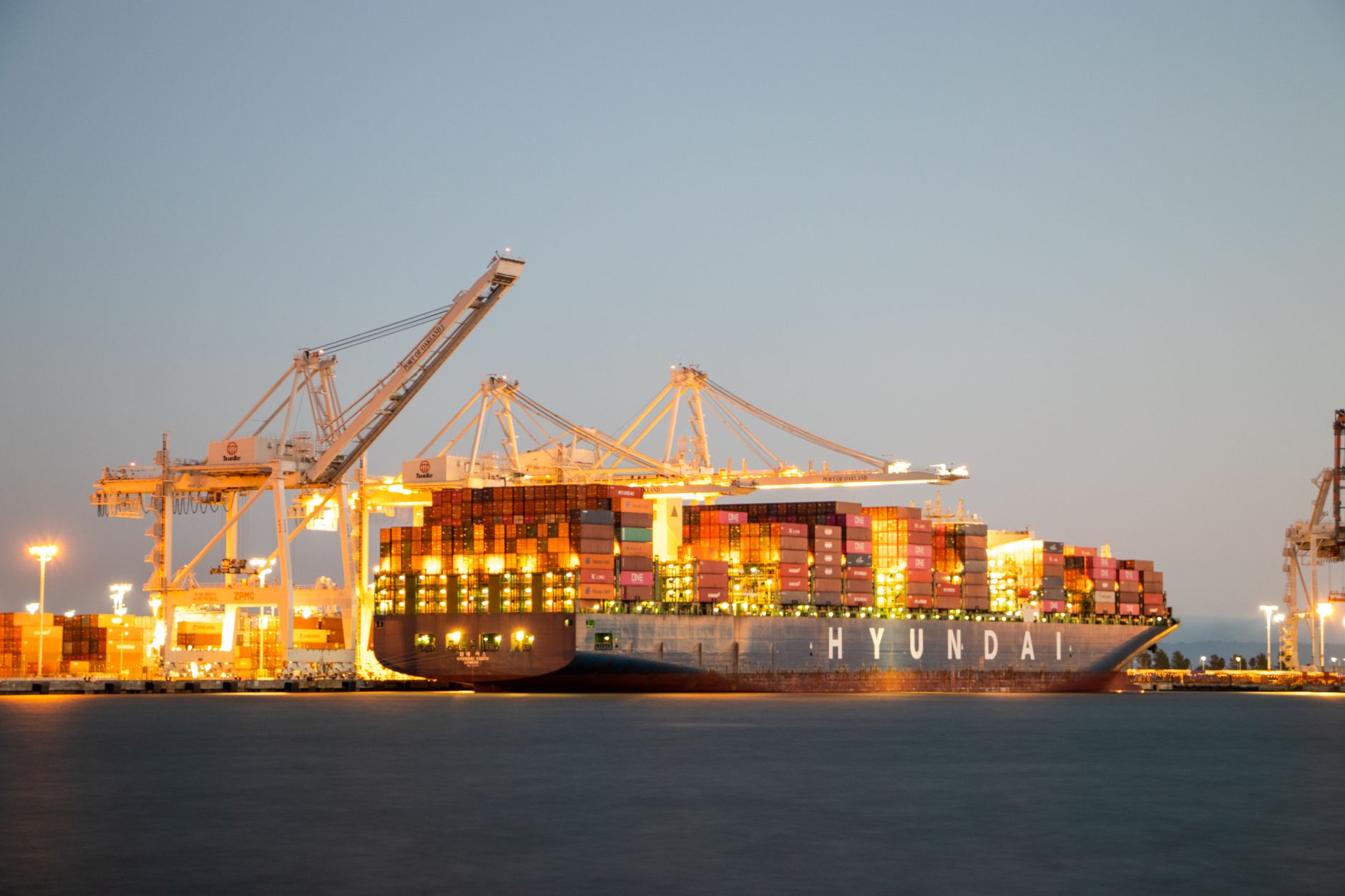
Recent shipping index data highlights a renewed upward trend in trans-Pacific freight rates as ocean import demand outpaces active vessel capacity. For sourcing managers and cross-border sellers, sudden movements in spot ocean rates directly affect profit margins if landed cost models rely on outdated freight assumptions.
Understanding what drives these rate adjustments enables commercial buyers and suppliers to adapt purchasing schedules and negotiation terms. Proactive planning helps maintain margin predictability even during periods of ocean freight volatility.
Drivers Behind Ocean Freight Volatility
Ocean freight rates on major East-West trade lanes rarely move in isolation. Multiple operational factors converge to shift the balance between carrier supply and shipper demand, leading to rapid rate spikes.
Capacity Management and Blank Sailings
Ocean carriers frequently manage available space by implementing blank sailings—skipping scheduled port calls or cancelling entire voyages. By reducing effective vessel capacity on short notice, ocean lines can support spot rate increases even when underlying cargo volumes show only modest growth.
Seasonal Demand Peaks and Inventory Timing
Import cycles often experience sudden volume surges when importers pull forward purchase orders. Businesses frequently accelerate shipments ahead of major retail peak seasons, factory closures, or anticipated regulatory adjustments, straining available vessel space and driving up spot quotes.
Calculating Landed Costs During Rate Surges
A change in base ocean freight represents only a portion of the total delivered cost of imported goods. Fluctuation in primary container rates triggers secondary cost increases throughout the transportation chain.
Surcharges Beyond Base Ocean Freight
When base rates rise, carriers frequently introduce or adjust ancillary surcharges. Shippers must account for several additional fee categories when evaluating quotes:
- General Rate Increases (GRI): Direct rate adjustments applied across broad trade lanes on set monthly or bi-weekly schedules.
- Peak Season Surcharges (PSS): Temporary fees added during high-demand shipping windows.
- Bunker Adjustment Factors (BAF): Floating surcharges designed to absorb shifts in marine fuel costs.
- Terminal Handling Charges (THC): Local port costs that can adjust based on operational congestion.
Accounting for Transit Time Variability
Rate spikes are routinely accompanied by port congestion and equipment shortages at major export hubs. Extended transit times increase inventory holding costs and force buyers to maintain higher buffer stock levels, indirectly raising the cost per unit delivered.
Using a reliable freight calculator during early procurement stages allows sourcing teams to test different freight rate scenarios and establish accurate budget thresholds before issuing purchase orders.
Practical Strategies for Importers and Exporters
Cross-border traders cannot control ocean freight indexes, but structural adjustments to sourcing workflows can significantly reduce exposure to spot market volatility.
Diversifying Contracting Options
Relying exclusively on spot quotes leaves procurement plans vulnerable to sharp rate spikes, while relying solely on long-term fixed contracts can leave businesses paying above-market rates when ocean indexes drop. Maintaining a split portfolio—combining fixed-rate commitments for baseline volumes with spot flexibility for seasonal surges—provides balanced cost protection.
Clarifying trade terms is equally critical. Buyers and sellers should evaluate whether FOB (Free on Board) or CIF (Cost, Insurance, and Freight) terms offer better visibility over freight costs based on which party holds stronger carrier relationships.
Optimizing Container Loading and Scheduling
Unused container space directly increases per-unit transport costs. Sourcing teams should work closely with manufacturers to align purchase order quantities with full container loads (FCL) wherever possible.
When volume does not support full containers, combining smaller shipments through Less than Container Load (LCL) consolidation or staggering shipment dates can keep freight costs manageable during peak rate periods.
Buffer Your Margins Against Freight Market Shifts
Managing shifting freight rates requires active coordination between buyers, suppliers, and logistics partners. By factoring total landed costs into initial supplier quotes and establishing clear expectations around shipping terms, trading partners can protect their business from unexpected margin erosion.
Ready to streamline your cross-border sourcing and connect with verified international suppliers? Create a free Postmaze account today to publish RFQs and manage your global trade pipeline with confidence.